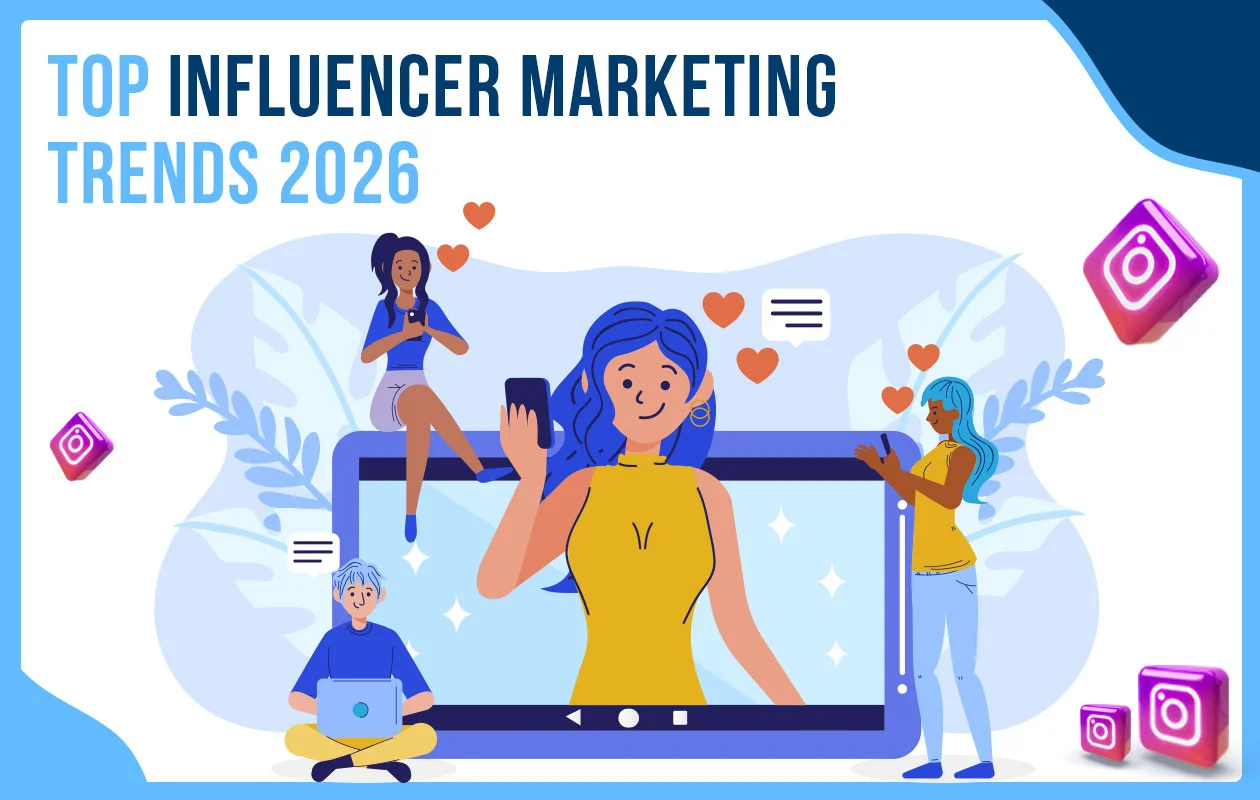
I want to start with something most marketing blogs won’t say a lot of: what brands spent money on in influencer marketing three years ago just doesn’t work the same way anymore. Not because influencer marketing stopped working. It didn’t. It’s actually bigger than ever. But the game has shifted and brands that haven’t noticed are burning budget on strategies that made sense in 2022 but feel outdated today.
If you’re trying to figure out where to put your energy and money right now this is worth reading through. I’ll walk you through what’s actually changing why it’s happening and what you can do about it.
1. Small Creators Are Quietly Beating the Big Names
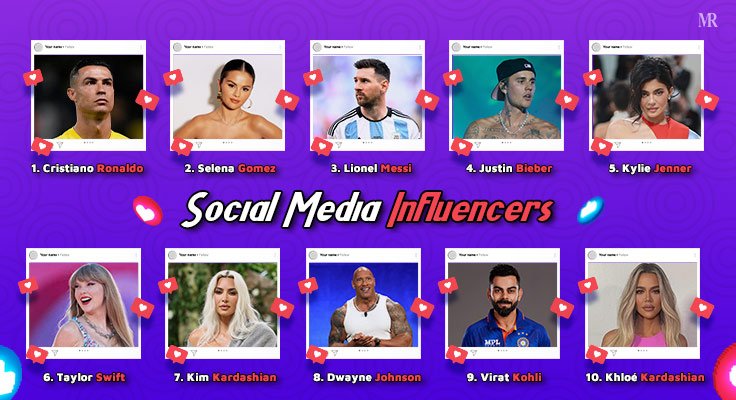
For a long time the thinking was pretty straightforward: find someone with a huge following and pay them to post done. And sure that approach can still work in certain situations. But brand after brand has started noticing that their campaigns with massive accounts often feel hollow. Lots of views, not much actual response from people.
Meanwhile smaller creators with maybe 8000 or 40000 followers are driving real conversations. Their followers actually reply to their posts. They ask questions. They buy things. That’s the difference between an audience that watches and an audience that listens.
The reason isn’t complicated. When someone has 80 million followers nobody feels a personal connection to them. But when you follow someone with 25000 followers who makes content about say budget travel in Southeast Asia you feel like you know them. When they recommend something it is different. It feels like advice from a friend not an ad.
The smarter brands right now aren’t chasing one big deal. They’re building relationships with 50 or 100 smaller trending social media influencers across different niches. The combined reach is often bigger, the engagement is way stronger and the cost per result is usually much better.
2. People Are Watching Longer Videos Again
A few years back it felt like nobody had an attention span anymore. Everything had to be fast, punchy and over in 15 seconds or people would scroll away. And yeah short videos still do really well, nobody’s arguing against Reels or TikTok clips.
But something interesting is happening alongside that. A lot of people, especially in their mid-20s and older are actively looking for content that goes deeper. They want a 20-minute honest review not a 10-second hype clip. They want to hear a creator actually talk through a product, explain what they like and what they don’t and answer the questions that come up before someone decides to buy.
That kind of content builds a completely different level of trust. When a content creator sits down and does a real detailed breakdown of something without making it feel like a commercial audience responds to that. They share it. They come back to it weeks later. They feel like the creator actually helped them make a good decision.
Brands that give creators room to make this kind of content are getting more out of those partnerships than brands still insisting on 30-second scripted clips. Let the creator do what they’re actually good at. The results usually speak for themselves.
3. Creators Have Built Real Businesses Now
The creator economy isn’t just a buzzword anymore. A lot of creators have genuinely built independent businesses. They have subscribers paying them monthly, they sell their own products, they run paid communities and they have newsletters people actually read. They don’t need your brand deal the way they might have a few years ago.
What that means for brands is that the dynamic has changed. You can’t just show up with a mediocre brief and expect someone to jump at it. Creators who have their own income streams are choosy. They care about what they’re attaching their name to because their reputation is literally their business.
Honestly, that’s a good thing if you come correct. A creator who genuinely wants to work with you because they believe in what you’re selling is worth ten times more than someone just doing it for the check. Their audience can tell the difference immediately. Premium influencer subscriptions, paid communities and digital content monetization have given creators financial independence and the brands benefiting most are the ones treating them like real partners not just channels to push content through.
This is where influencer branding growth actually comes from in 2026 relationships built on real mutual benefit not one-sided transactions.
4. Finding the Right Creator Used to Take Forever Now It Doesn’t
One thing that genuinely has gotten better is the tools. Finding the right online content creators used to mean hours of manual searching checking follower counts trying to figure out if an audience was real or bought, guessing whether the vibe matched your brand. It was slow and honestly not very accurate.
Now there are platforms that can do a serious analysis of a creator’s account in minutes. Who their audience actually is, where they live, what they buy, whether the engagement is real or inflated. You can see which past brand deals performed well and which ones flopped. You can compare dozens of potential partners side by side pretty quickly.
The other side of this is campaign tracking. Instead of waiting until a campaign ends to figure out if it worked, brands can see what’s happening in real time. If something’s underperforming you can catch it early. If one creator’s post is going off you know that too. It takes a lot of the guesswork out of a process that used to feel pretty hit-or-miss.
None of this replaces actually knowing your audience and having good creative instincts. But it does mean you can make smarter decisions faster which matters when you’re running multiple campaigns at once.
5. Audiences Can Smell a Fake Endorsement From a Mile Away
Here’s something that keeps getting more true every year: people are really good at spotting when a creator doesn’t actually believe what they’re saying. The slightly-too-excited tone. The way they describe a product using marketing language nobody actually uses in real life. The post that feels like it was written by a committee.
When audiences notice that and they notice it fast the creator loses credibility and the brand gets associated with something that felt fake. Neither side wins.
The viral Instagram personalities and TikTok viral creators who have built the most loyal followings are the ones who say no to deals that don’t fit. Their audiences trust them precisely because they’ve seen them turn things down. So when they do recommend something it carries real weight.
Brands that try to control every word a creator says or push them to be more enthusiastic than they naturally would be are usually shooting themselves in the foot. The posts feel off. People scroll past. The budget was wasted.
Give creators a clear brief about what you need communicated. Then let them figure out how to say it in their voice to their people in a way that feels real. That’s the version that actually works.
6. Buying Something While Watching a Video Is Normal Now
Not long ago if you saw a product in an influencer’s video and wanted to buy it you had to pause searching for it to find the right website, remember a discount code and go through checkout by which point a lot of people had just moved on. That friction cost brands a lot of sales they didn’t even know they were losing.
That gap has basically closed. On TikTok, Instagram, YouTube you can go from watching someone use a product to completing a purchase in about 30 seconds without leaving the app. Product tags in-app checkout direct links. The whole path is smoother.
For categories like beauty, fashion home stuff and wellness this has been huge. These are spaces where viral social media trends move fast and people often make decisions based on emotion and impulse. When you reduce the steps between “I want that” and “I bought that” conversion rates jump noticeably.
The social media monetization strategy that works best right now is pairing a creator who genuinely uses and likes the product with a super simple path to buy. No complicated coupon codes, no extra steps. The less friction the better. Brands using fan-based content platforms with smart commerce integrations are seeing this pay off directly in their numbers.
7. Paying Per Result Is Becoming the New Normal
The old model was: negotiate a flat fee, get the post cross your fingers. Sometimes it worked great. Sometimes you paid a lot for almost nothing. It was hard to know which one you’d get.
More brands are moving toward deals where at least part of the payment is tied to actual performance clicks, sign-ups and sales whatever matters for that campaign. Affiliate links commission structures bonus tiers. Creators who deliver results end up earning more. Brands that don’t get results aren’t just paying a premium for nothing.
This works well for both sides when the product is genuinely good. If the creator believes in what they’re promoting and their audience actually wants it, performance deals can pay creators better than flat fees would have. Across the whole online creator economy this is becoming a much more common conversation in contract negotiations.
The subscription-based content model also fits naturally here long-term ambassador relationships where a creator becomes a consistent trusted face for a brand over time. These tend to perform better than one-off posts in pretty much every measurable way and performance-based compensation makes them easier to structure fairly for everyone involved.
8. A Tight Community Beats a Big Audience Every Time
This is maybe the most important shift in how smart brands are thinking about influencer partnerships right now. The question used to be “how many people will see this?” Now the better question is “how much do those people care?”
A creator with 25000 followers who has built a genuinely active community of people who reply to posts, join their Discord, read their newsletter and actually talk to each other is doing something most large accounts can’t. That community has conversations about things the creator talks about. When a brand becomes part of that conversation in a natural way it’s not an ad anymore. It’s a recommendation from someone the community trusts.
Brands that get this are approaching exclusive fan subscriptions and community-first creators differently. They’re not asking “what’s your reach?” first. They’re asking “what kind of relationship do you have with your people?” The answer to that second question tells you a lot more about what a partnership is actually worth.
Being part of a real digital creator community carries way more weight than a fleeting mention to a passive audience of millions.
9. Every Platform Is Its Own World Treat Them That Way
TikTok is not Instagram. Instagram is not YouTube. YouTube is not a podcast. The audiences on these platforms are different, the way they consume content is different and what they respond to is different. A video that crushes it on TikTok might fall completely flat on YouTube and a style that works great on Instagram might feel weird on TikTok.
TikTok viral creators are building for an audience that discovered them through the algorithm and makes snap judgments in the first two seconds. YouTube creators are building for an audience that searches for something specific and is willing to spend time with it. Those are completely different content jobs.
Brands that send one set of requirements to every creator and expect the same result across all platforms are usually disappointed. The better approach is working with creators who know their platform deeply and briefing them on what you need to communicate then letting them figure out the format that actually fits.
Viral social media trends look different in every corner of the internet. Respecting that and building platform-specific strategies isn’t extra work, it’s just what works.
10. What This All Actually Means for Your Strategy Influencer Marketing
If I had to boil all of this down to something actionable it would be this: stop treating influencer partnerships like ad placements and start treating them like actual relationships.
The brands doing best with influencer marketing trends 2026 have figured out that the transaction mindset of finding a big account to pay for a post move on is leaving a lot of value on the table. The brands winning long-term are the ones investing in real partnerships with creators whose audiences genuinely match their customers. They’re patient, they give creators room to do their thing and they measure success over time rather than panicking after one post.
The tools available for digital content monetization and campaign measurement are better than they’ve ever been. The pool of talented creators building real communities across every niche you can imagine is massive and still growing. The infrastructure for social commerce makes converting interested viewers into actual buyers easier than ever.
Everything is set up for brands who are willing to approach this seriously. The digital creator community keeps growing, audiences keep trusting the creators they follow and the brands that build genuine relationships inside that ecosystem are going to keep having an edge over the ones who don’t.
The playbook isn’t complicated. Find the right people to treat them well, let them do what they’re good at and stick with it long enough to see real results. That’s what’s working in 2026 and there’s no sign of that changing anytime soon.