

Oily Skin Is Not a Problem to Strip Away
Oily skin often gets treated like something to remove, with harsh scrubs, strong toners, and skipping moisturizer completely. That approach usually makes things worse. When skin is stripped, it can produce even more oil to compensate, and makeup slides off faster instead of lasting longer.
A matte baddie glow is not about dry, flat skin. It is about balanced skin: clean without feeling tight, hydrated without feeling heavy, and makeup that stays in place through the day. This routine is built for that balance. It uses fewer products, in the right order, so you can follow it every morning and night without a complicated ten-step routine.
If you have oily skin, you do not need to buy everything at once. Start with a gentle cleanser, a light moisturizer, sunscreen, and one active ingredient. Add other products only if you need them, and give each new product at least two weeks before you judge it.
Morning Routine: 5 Simple Steps
Morning skincare should prepare your skin for makeup and for the day, not overload it. Keep it light, and let each layer absorb before you add the next.
Step 1: Gentle Cleanser, Lukewarm Water
Wash with a gentle gel or foaming cleanser and lukewarm water. Hot water can irritate skin, and harsh scrubbing can increase oiliness over time. Use your fingertips, not a rough cloth, and pat dry with a clean towel instead of rubbing.
If your skin feels tight after washing, your cleanser is probably too strong. A good cleanser should leave skin clean and comfortable, not squeaky or dry.
Step 2: Niacinamide Serum
Niacinamide is one of the most useful ingredients for oily skin. It helps with shine, the look of pores, and uneven tone, without the irritation that stronger actives can cause. Apply two or three drops to the face, focusing on the T-zone if that is where you get oily first.
You do not need to layer several serums at once. One well-chosen serum, used consistently, will do more than five products used for only a few days. If you are new to niacinamide, start with a lower strength and use it once a day, then move to twice a day if your skin tolerates it well.
Step 3: Light Gel Moisturizer
Yes, oily skin still needs moisturizer. Skipping it is one of the most common mistakes, and it often leads to more shine later in the day. The key is the texture. Choose an oil-free gel or light lotion, not a thick cream.
Apply a small amount, about a pea-sized amount for the whole face, and a little more only if your skin feels dry in certain areas. Your skin should feel hydrated, not greasy, before you move to sunscreen.
Step 4: Sunscreen Every Morning
Sunscreen is not optional, even on cloudy days and even if you have oily skin. Choose a broad-spectrum sunscreen with a gel, fluid, or matte finish, so it does not add extra shine. Many modern sunscreens also work as a light primer under makeup.
Apply sunscreen as the last skincare step, and wait a few minutes before makeup. This waiting time helps makeup sit better and last longer. If you spend a lot of time outdoors, reapply during the day, or use a powder sunscreen for touch-ups over makeup.
Step 5: A Simple Matte Base, If You Wear Makeup
For makeup, start with a mattifying primer only on the T-zone, not all over the face. Too much primer can make skin look dry or patchy. Then use thin layers of a long-wear foundation, building coverage only where you need it.
Set with a light translucent powder, focusing on the forehead, nose, and chin, and finish with a setting spray. Carry blotting paper in your bag instead of adding more powder through the day. Blotting removes shine without building up product, which is why makeup lasts longer.
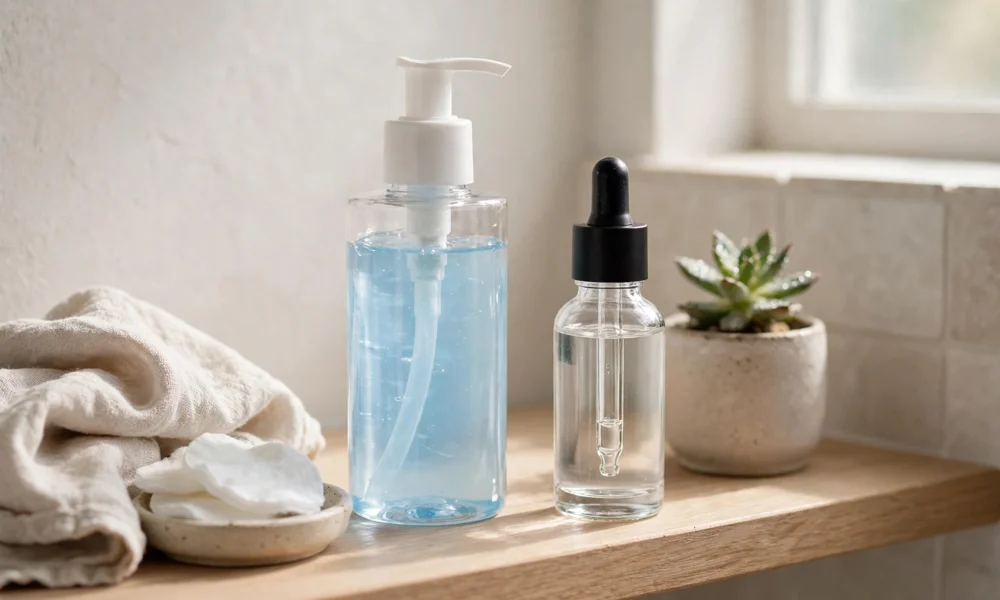
Evening Routine: Clean, Treat, Hydrate
Evening skincare is about removing the day properly and giving skin time to recover overnight. It does not need to be long, but it should be consistent.
Start by removing makeup and sunscreen. On makeup days, double cleanse: first a micellar water or cleansing balm, then your gentle gel cleanser. On no-makeup days, one gentle cleanse is usually enough. Over-cleansing can irritate skin, so do not double cleanse if you have nothing to remove.
Two or three nights a week, you can use a salicylic acid product on the T-zone. This ingredient helps with clogged pores and breakouts, but it should not be used every night at first. Watch for dryness or irritation, and reduce frequency if your skin feels sensitive.
Finish with the same light gel moisturizer you use in the morning. Night creams do not need to be heavy for oily skin. A light, comfortable layer is enough to support the skin barrier overnight.
Makeup That Lasts on Oily Skin
Makeup sliding off by noon is usually not a foundation problem alone. It is often a combination of heavy cream underneath, no setting step, and too much powder added later.
Thin layers work better than one thick layer. Apply foundation in a thin, even layer, let it set for a minute, then add coverage only where needed. Use a damp sponge or brush for a smooth finish, and avoid rubbing the product into skin.

Setting powder should be light and targeted. Press it into the T-zone with a puff or brush, rather than dusting it all over the face. Setting spray then locks everything in place. Through the day, blot first, then touch up only if needed. This keeps makeup looking fresh instead of cakey.
For more makeup ideas that work with a bold baddie style, the slay-like-a-baddie makeup guide on this site covers outfits and attitude alongside makeup, while the beauty guide to glowing up your makeup focuses on building a complete look step by step.
3 Mistakes That Make Oily Skin Worse
First, over-washing and harsh scrubs. Washing more than twice a day, or scrubbing hard, can damage the skin barrier and trigger more oil. Gentle, consistent cleansing is better than aggressive cleansing.
Second, skipping moisturizer and sunscreen. Both are essential, even for oily skin. Skipping moisturizer can increase shine, and skipping sunscreen leaves skin unprotected and can worsen marks from breakouts.
Third, layering too many active products at once. Vitamin C, retinol, acids, and strong treatments all at once can irritate skin and cause breakouts. Introduce one active at a time, use it consistently, and give your skin time to adjust.
Budget-Friendly Oily Skin Routine
A good oily skin routine does not need luxury products. Drugstore gel cleansers, gel moisturizers, blotting papers, and sunscreens with a matte finish can work very well. Ingredient types and texture matter more than branding.
Spend a little more on sunscreen and on one active, such as niacinamide, because those are used every day. Save on cleansers and basic moisturizers, where simple formulas often work just as well as expensive ones.
Keep a small touch-up kit for the day: blotting papers, a mini setting spray if you wear makeup, and your lip product. That kit is cheaper and more effective than carrying several full-size products.
When to See a Dermatologist
Most oily skin can be managed with a simple routine, but some signs need professional advice. See a dermatologist if you have persistent, painful, or cystic acne, if breakouts leave deep marks, or if a product causes swelling, severe redness, or a rash that does not settle.
This guide is general skincare information, not medical advice. Patch-test new active products on a small area first, and stop using a product if it causes strong irritation. A dermatologist can help with prescription options and a routine tailored to your skin type and concerns.
For general skincare basics, the glow-up tips for women guide on this site covers cleanser, moisturizer, and SPF as a foundation, while this routine goes further into shine control, niacinamide, and matte makeup that lasts.
FAQs
Should oily skin skip moisturizer?
No. Oily skin still needs moisturizer, but in a light gel or oil-free formula. Skipping moisturizer can make skin produce more oil and can make makeup slide off faster. A small amount of gel moisturizer helps balance shine without feeling heavy.
How often should I exfoliate oily skin?
Start with two or three times a week, using a gentle chemical exfoliant rather than a harsh scrub, and watch for irritation. If your skin feels dry, tight, or red, reduce frequency. Consistency matters more than daily exfoliation.
Why does my makeup slide off by noon?
This is usually caused by heavy cream underneath, no setting step, or too much powder added later. Thin layers of long-wear foundation, primer only on the T-zone, light setting powder, setting spray, and blotting paper through the day fix most of it.
Can I use niacinamide every day?
Most people can use niacinamide daily once their skin tolerates it, starting with once a day and moving to twice a day if there is no irritation. If you notice redness or breakouts after starting a new serum, pause it and reintroduce it slowly, or ask a dermatologist for advice.


